


Lab Grown Diamond vs Moissanite: What's the Difference?
27 Sep 2025

The jewelry industry is evolving at lightning speed, and two gemstones are capturing the spotlight more than ever before Lab Grown Diamond and Moissanite Diamond. With rising demand for ethical, sustainable, and affordable luxury, shoppers often find themselves comparing these two stones. While both look stunning and share similarities with natural diamonds, they are very different in origin, composition, and price.
In this blog, we’ll take you through a detailed comparison of Lab Grown Diamond vs Moissanite Diamond, covering their properties, value, sparkle, durability, and trends. By the end, you’ll know exactly which gemstone fits your style, budget, and values.
What Are Lab Grown Diamonds?

Lab grown diamonds are real diamonds created in advanced laboratories using high-tech processes that replicate natural diamond formation. They have the same chemical, physical, and optical properties as mined diamonds. This means they are 100% carbon, with identical hardness, brilliance, and clarity as their natural counterparts.
The major difference lies in the origin. While natural diamonds take billions of years to form under the Earth’s surface, Lab Grown Diamonds can be created in a matter of weeks using two methods: HPHT (High Pressure High Temperature) and CVD (Chemical Vapor Deposition).
What Are Moissanite Diamonds?

Moissanite, often called “Moissanite Diamond,” is not a diamond at all but a unique gemstone made of silicon carbide. First discovered in 1893 by Henri Moissan in a meteor crater, natural moissanite is extremely rare. Today, all moissanite used in jewelry is created in laboratories, making it both eco-friendly and ethical.
Moissanite is loved for its intense sparkle, often even more fiery than diamonds. It ranks at 9.25 on the Mohs hardness scale, just below diamonds (10), which makes it extremely durable and perfect for daily wear.
Appearance: Brilliance and Fire

One of the first questions buyers ask is: Which shines more, a lab-grown diamond or moissanite?
Lab Grown Diamonds have the same sparkle as natural diamonds, bright, white brilliance with subtle fire (rainbow flashes). Their beauty lies in their classic and timeless appearance.
Moissanite Diamonds have a different type of sparkle. They exhibit a higher refractive index (2.65 vs diamond’s 2.42), meaning they bend light more intensely. This creates a rainbow-like “disco ball” effect under light, which many find captivating, while some prefer the understated elegance of diamonds.
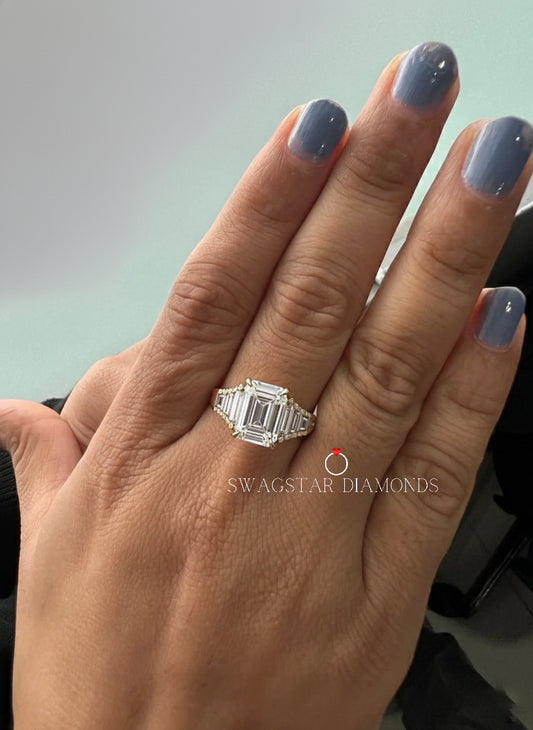
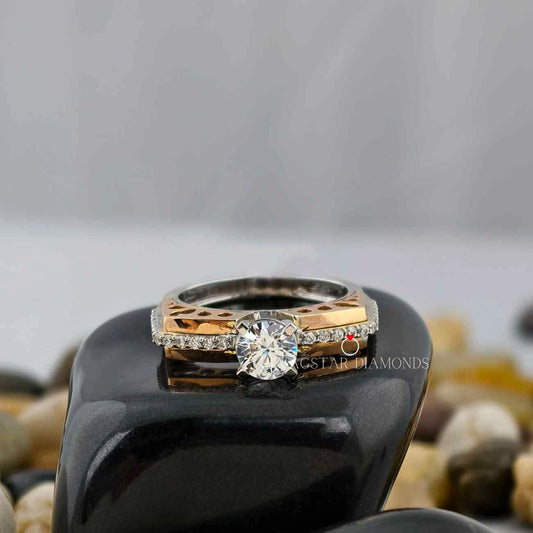
If you want a traditional diamond look, go for Lab Grown Diamond Ring. If you love bold sparkle and fire, moissanite might be your match.
Durability and Daily Wear

When it comes to long-term use, both gemstones are excellent choices.
Lab Grown Diamonds: With a hardness of 10 on the Mohs scale, they are the hardest known material on Earth. They are nearly impossible to scratch and will last forever.
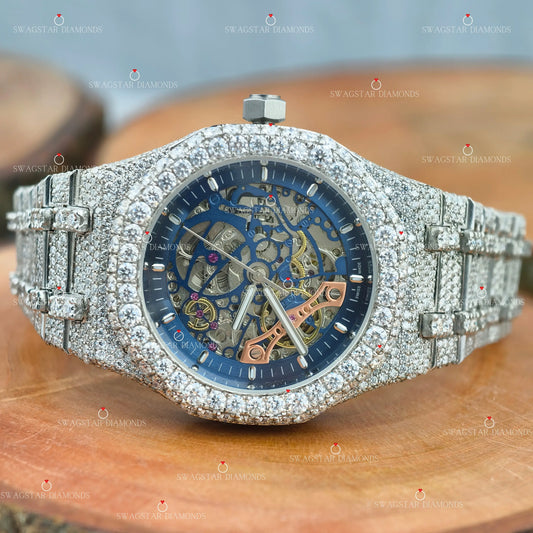
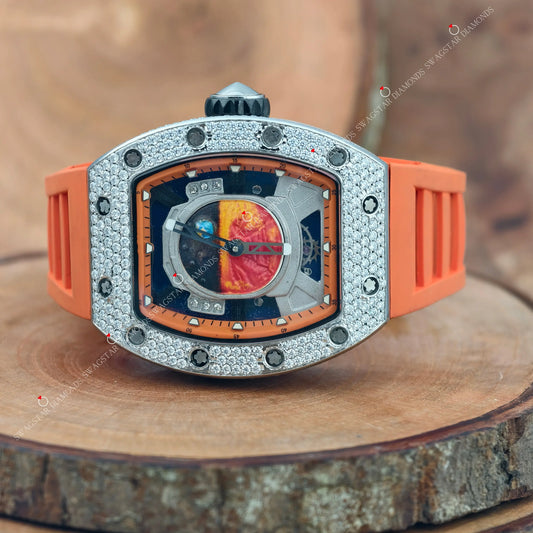
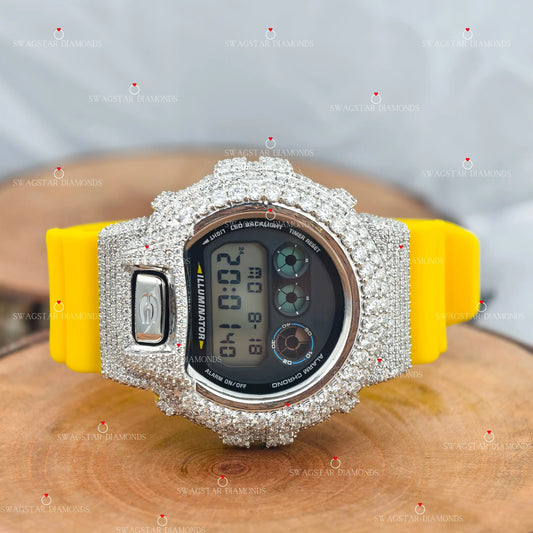
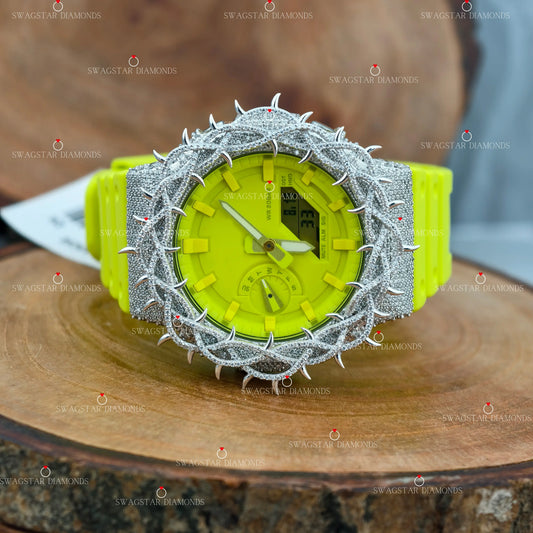
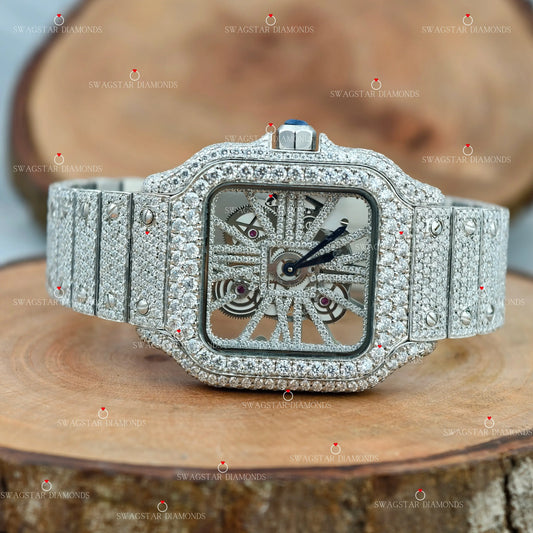
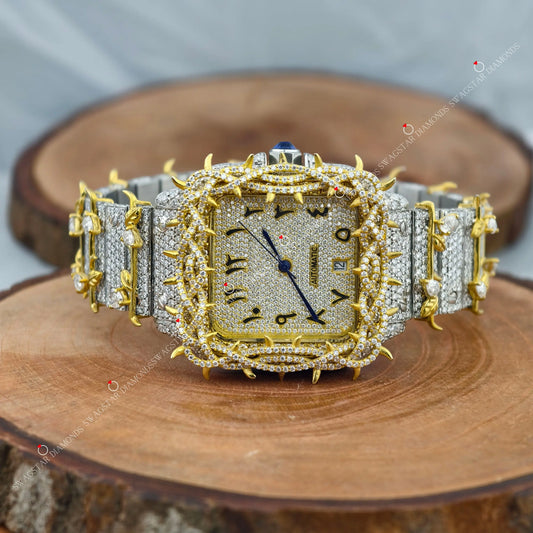
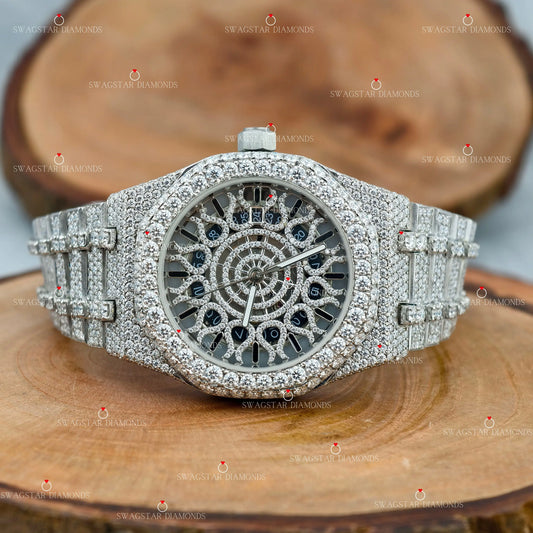
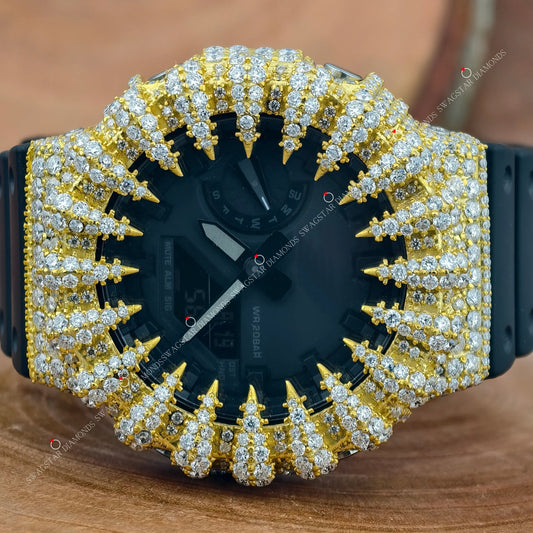
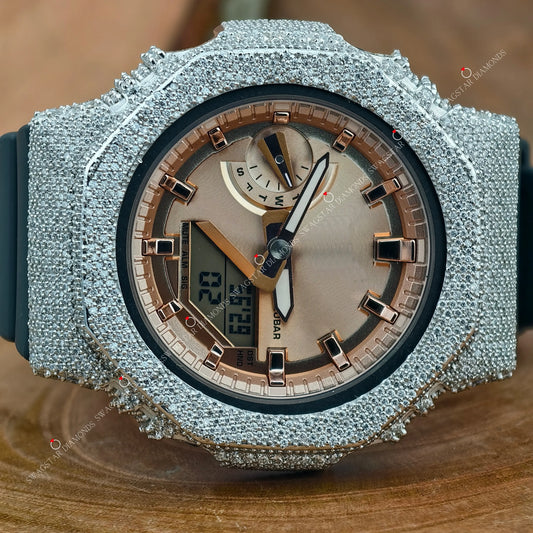
Moissanite Diamonds: Scoring 9.25 on the Mohs scale, moissanite is also highly durable, making it an excellent choice for Lab Grown Diamond Ring, Moissanite Watch, and daily wear Moissanite Jewelry.
In short, both are built to last generations, but diamonds still hold the crown for ultimate hardness.
Price Comparison

This is where the biggest difference lies.
Lab Grown Diamonds: Typically cost 60–70% less than mined diamonds, but they are still significantly more expensive than moissanite.
Moissanite Diamonds: Cost a fraction of both natural and lab grown diamonds. You can get a large, dazzling stone for a very affordable price, making moissanite the most budget-friendly luxury gemstone.
For shoppers looking for affordable elegance, moissanite is unbeatable. For those wanting the authentic diamond experience at a lower cost than mined diamonds, lab grown is the better option.
Ethical and Environmental Impact
Both lab grown diamonds and moissanite are more ethical choices compared to mined diamonds.
Lab Grown Diamonds: Since they are created in labs, they avoid the environmental destruction and conflict issues linked with diamond mining. However, lab creation does use energy, which can vary depending on the facility.
Moissanite Diamonds: Always lab-created, moissanite is considered one of the most eco-friendly gemstones available. Its production requires fewer resources and leaves a smaller environmental footprint.
For the most sustainable choice, moissanite takes the lead.
Popular Uses in Jewelry

Both gemstones are widely used in modern jewelry trends.
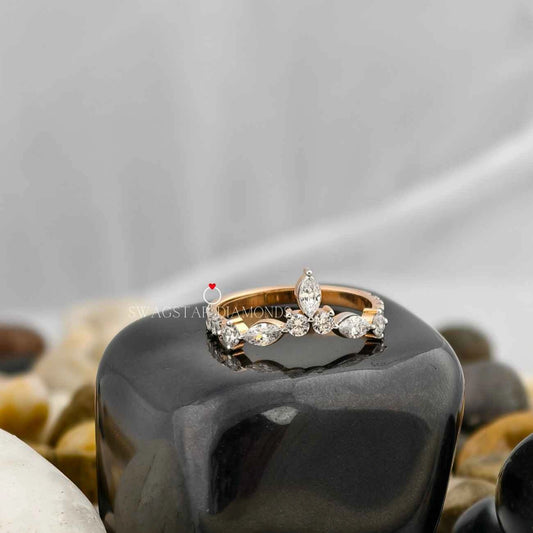
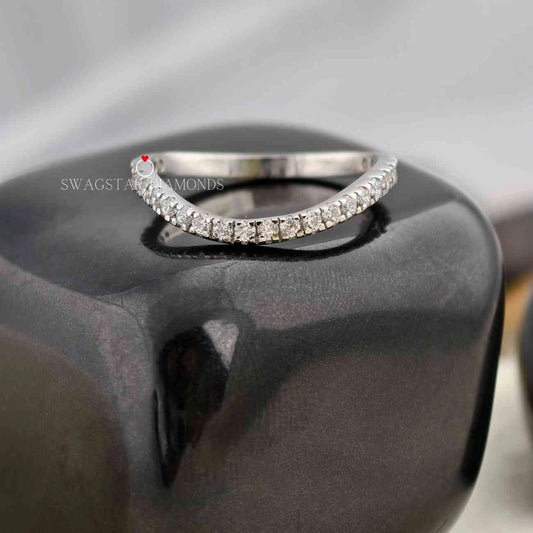
Lab Grown Diamonds: Perfect for traditional Engagement Rings, Wedding Bands, and Fine Jewelry where buyers want the authentic diamond look without the high cost.
Moissanite Diamonds: Popular in Engagement Rings, Hip Hop Jewelry, and Moissanite Watch, especially in hip-hop and urban fashion, where sparkle is celebrated.
Both offer endless style possibilities, but moissanite often appeals to buyers who love flashy brilliance and larger stones at a lower price.
Trend Insights: What Are People Buying?

Gen Z and Millennials are driving the shift toward ethical and affordable gemstones.
Lab grown diamonds appeal to buyers who want authentic diamonds but reject the high price and ethical concerns of mined stones.
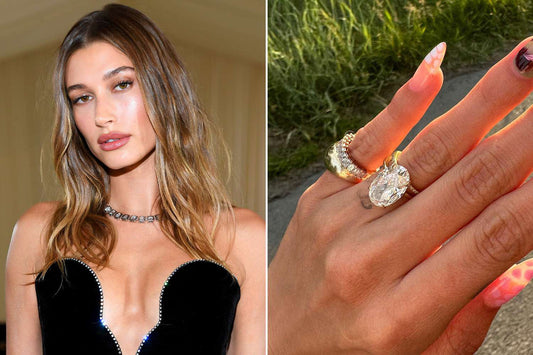
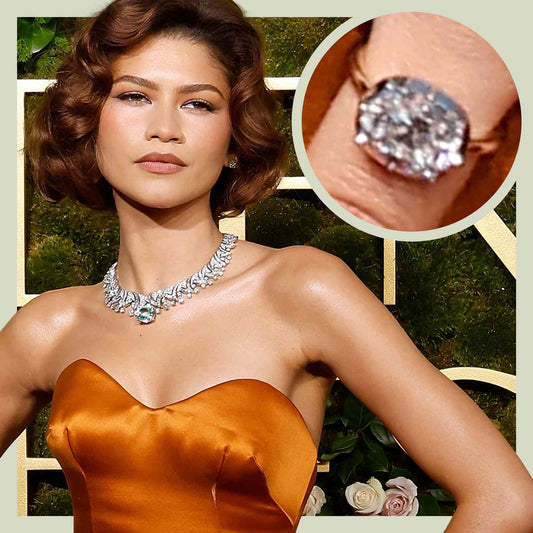
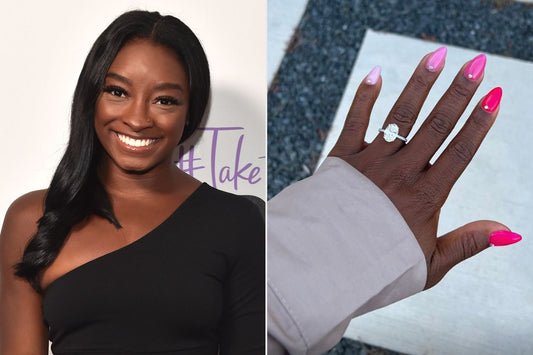
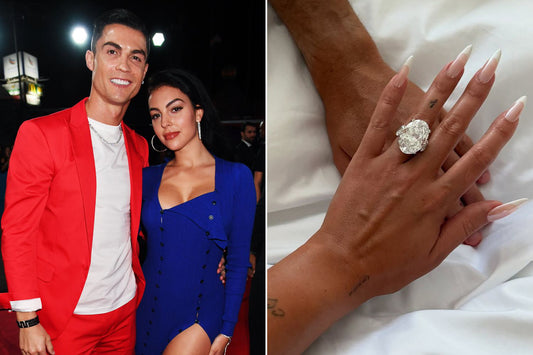
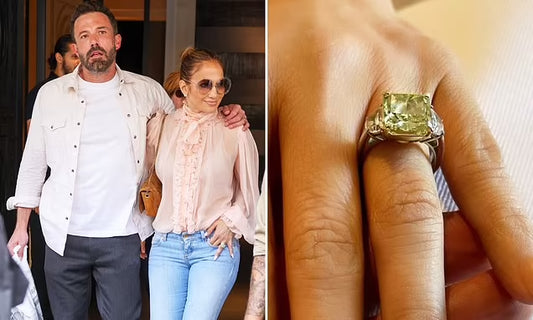
Moissanite is gaining massive popularity on Instagram and TikTok, with influencers and celebrities embracing its bold sparkle in engagement rings and jewelry.
Both are shaping the future of the jewelry market, but moissanite is particularly trending among fashion-forward and budget-conscious buyers.
Pros and Cons at a Glance
Lab Grown Diamonds
✔ Real diamonds with identical properties
✔ More affordable than mined diamonds
✔ Durable and timeless look
✘ Still more expensive than moissanite
✔ Real diamonds with identical properties
✔ More affordable than mined diamonds
✔ Durable and timeless look
✘ Still more expensive than moissanite
Moissanite Diamonds
✔ Intense sparkle and fire
✔ Very affordable
✔ Durable and eco-friendly
✘ Different appearance from diamonds (rainbow-like flashes)
✔ Intense sparkle and fire
✔ Very affordable
✔ Durable and eco-friendly
✘ Different appearance from diamonds (rainbow-like flashes)
Where Can You Buy Lab Grown Diamonds and Moissanite Diamonds?

When it comes to buying jewelry, trust and quality matter as much as sparkle. With so many sellers in the market, it’s important to choose a vendor that provides authenticity, ethical sourcing, and excellent craftsmanship.
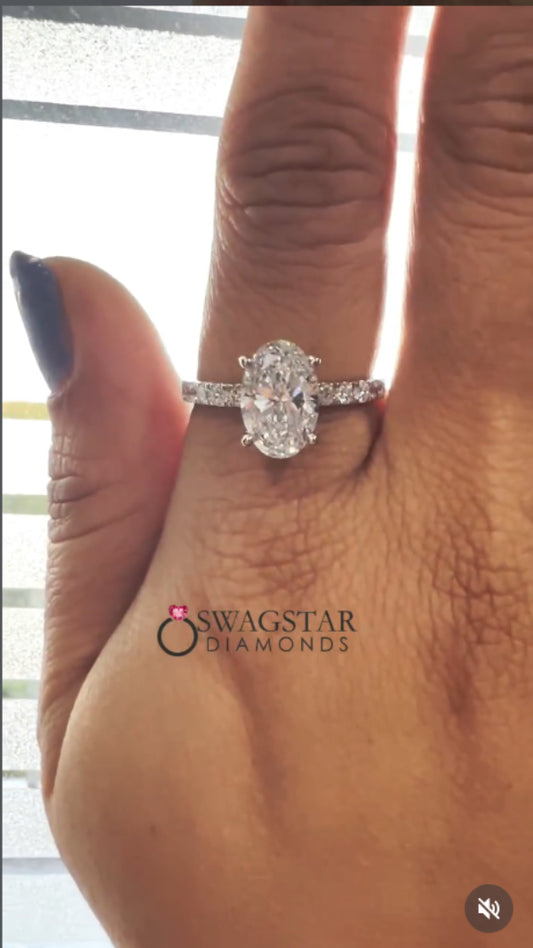
One of the best places to explore both Lab Grown Diamond Jewelry and Moissanite Diamond Jewelry is Swagstar Diamonds. Known for their expertise in crafting Moissanite Watch, Engagement Rings, Iced-Out Hip Hop Jewelry, and Lab Grown Diamond Rings, they offer pieces that combine stunning brilliance with durability and style.
Swagstar Diamonds stands out because they are both manufacturers and direct sellers, which means customers get the best quality at a reasonable price without the heavy markup of traditional retail stores. Whether you’re looking for an elegant engagement ring, a luxury moissanite watch, or a bold hip-hop inspired bust-down piece, Swagstar Diamonds has collections that balance affordability, luxury, and ethical sourcing.
For jewelry lovers who want to stay on trend while making smart, sustainable choices, Swagstar Diamonds is a trusted destination for both lab grown diamonds and moissanite jewelry.
Conclusion
The choice between Lab Grown Diamonds vs Moissanite Diamonds depends on your personal preference, budget, and style.
If you want a real diamond with all the authenticity, durability, and traditional brilliance but at a lower cost than mined diamonds, lab grown diamonds are the perfect choice.
If you love intense sparkle, affordability, and sustainability, and don’t mind that moissanite isn’t technically a diamond, then Moissanite Diamonds are a fantastic option.
Either way, both stones represent the Future of Ethical and Affordable Jewelry. They empower shoppers to enjoy luxury without compromise whether that means timeless diamond elegance or bold moissanite brilliance.